
Powered Spreader Sales
Financing Available
One-Year Warranty
We Ship Throughout The U.S. & Canada
Financing Available
One-Year Warranty
Shipping Available
YouTube Customer Reviews

Powered Spreaders Help Make Lawn Fertilization Easy
Lawn fertilization can be a time-consuming task. Make this essential job easier and more productive with a new powered fertilizer spreader from Power Spreaders. In addition to applying fertilizer, our powered walk behind spreaders are also great for spreading lime, insecticide, herbicide, and grass seed.
We even have an ice melt spreader!
We offer gas-hydraulic, electric, and gas-electric powered spreaders, designed and assembled in Sarasota, FL. Contact us today to learn more and for a free estimate.
Watch Our YouTube Videos
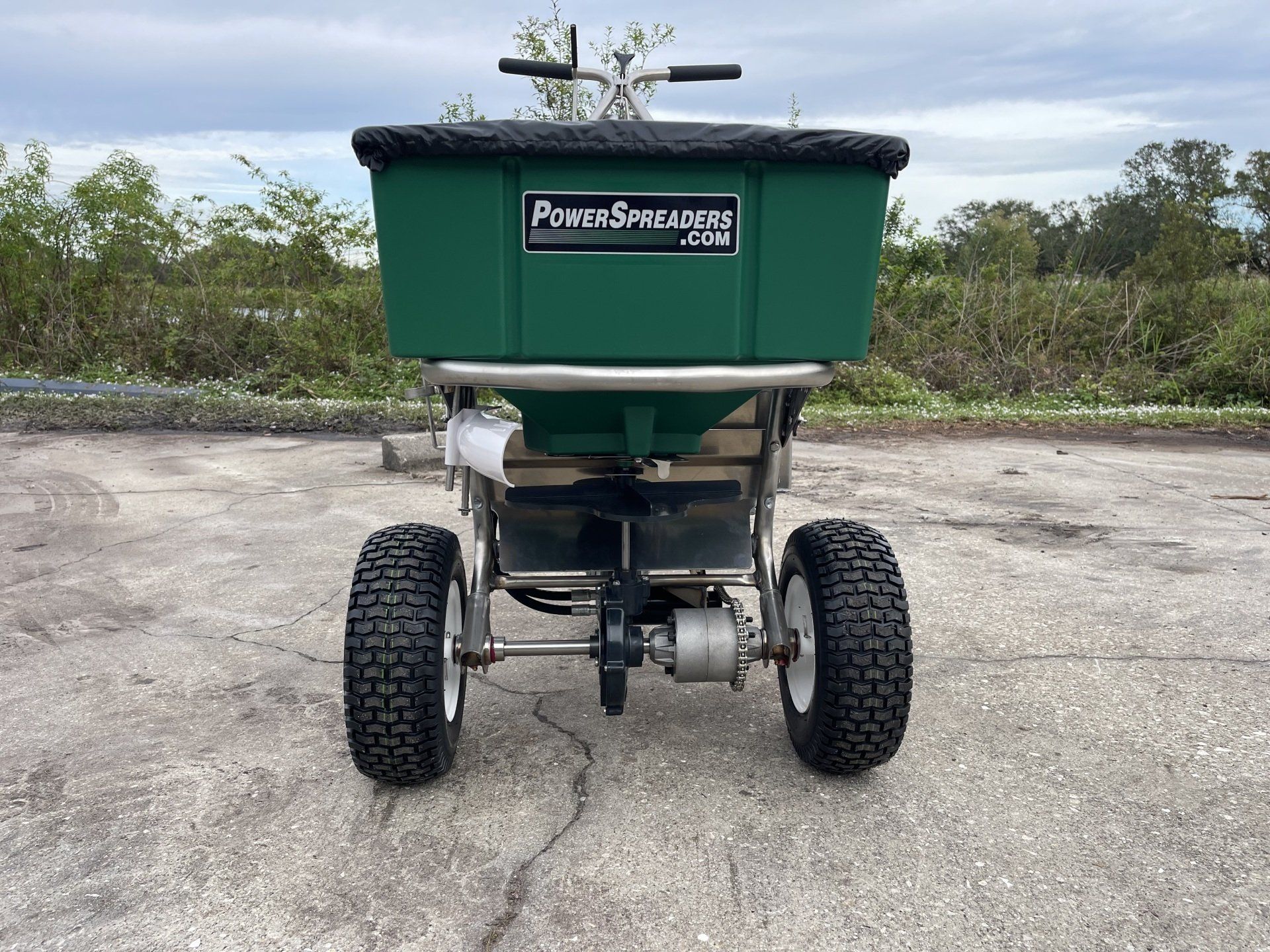
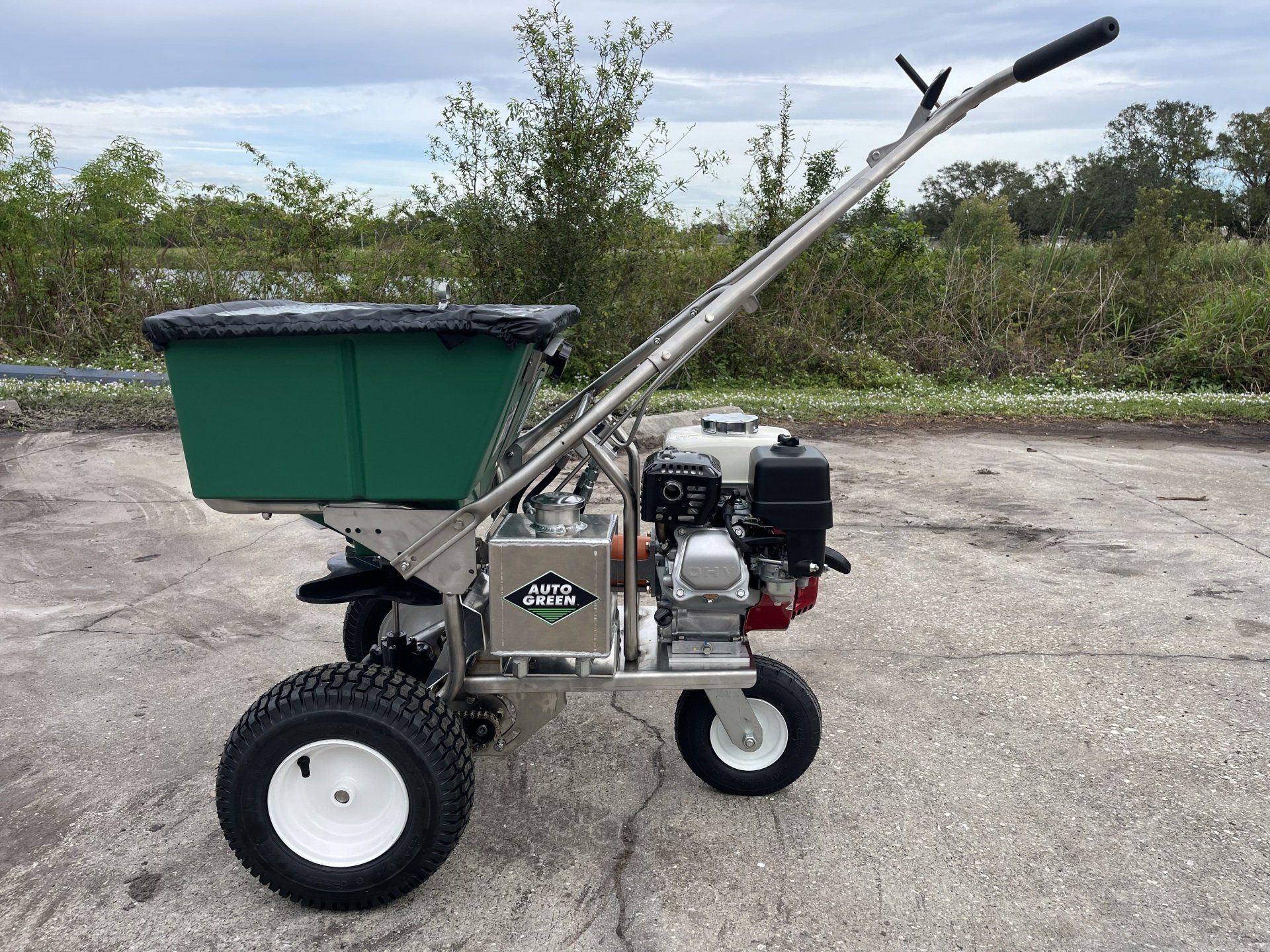
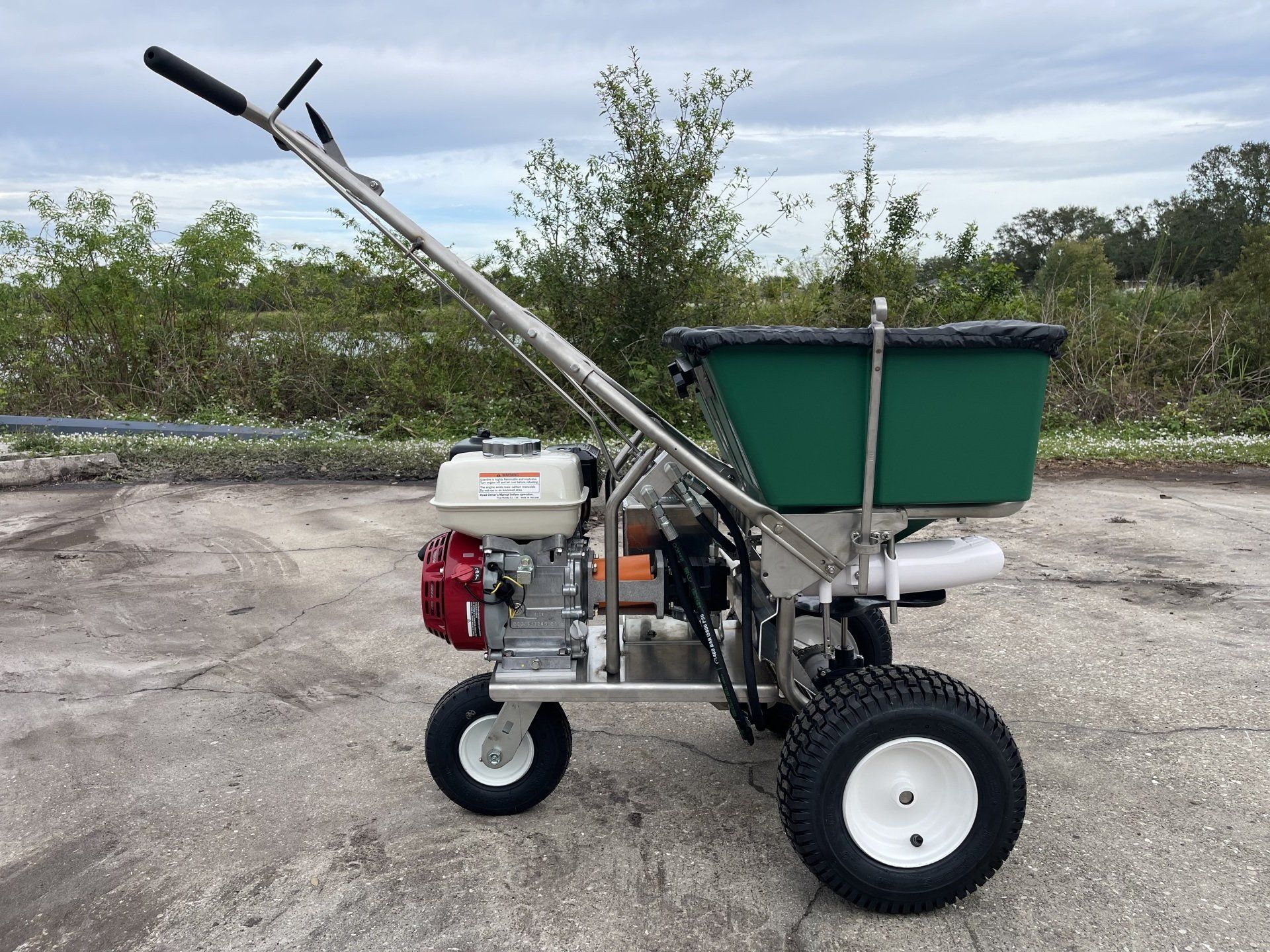
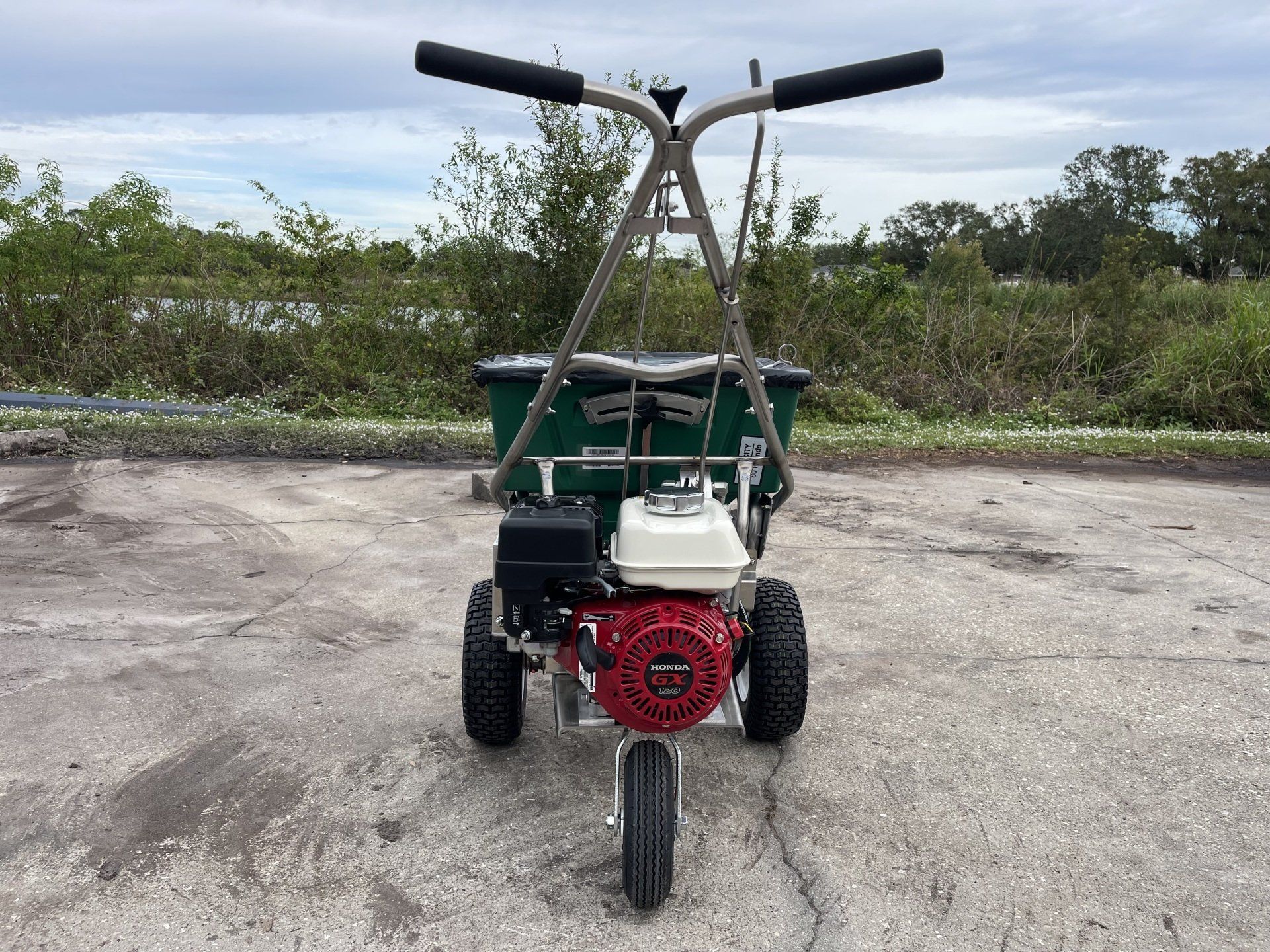
*click the images to enlarge*
Gas-Hydraulic Fertilizer Spreaders
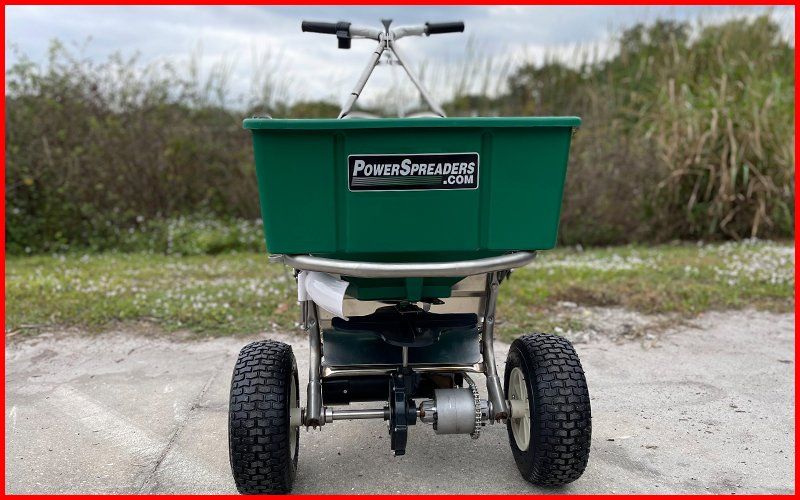
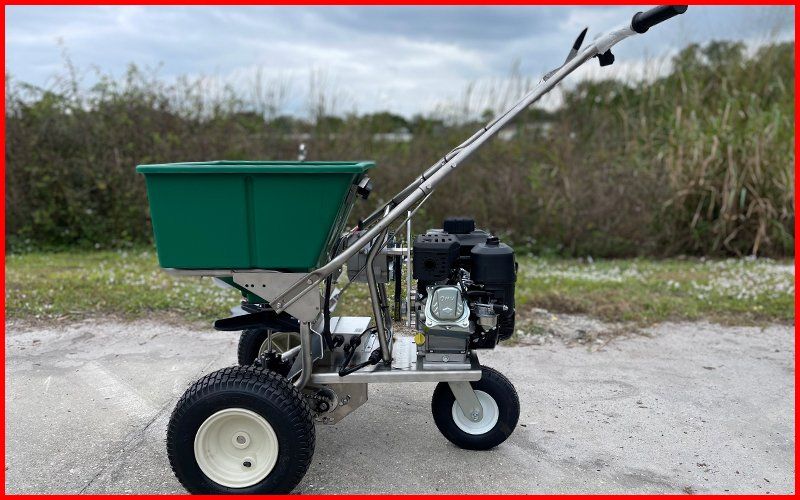
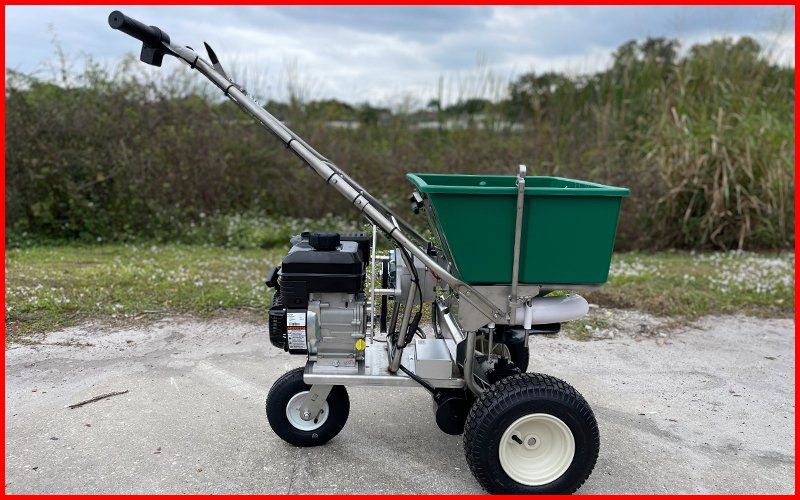
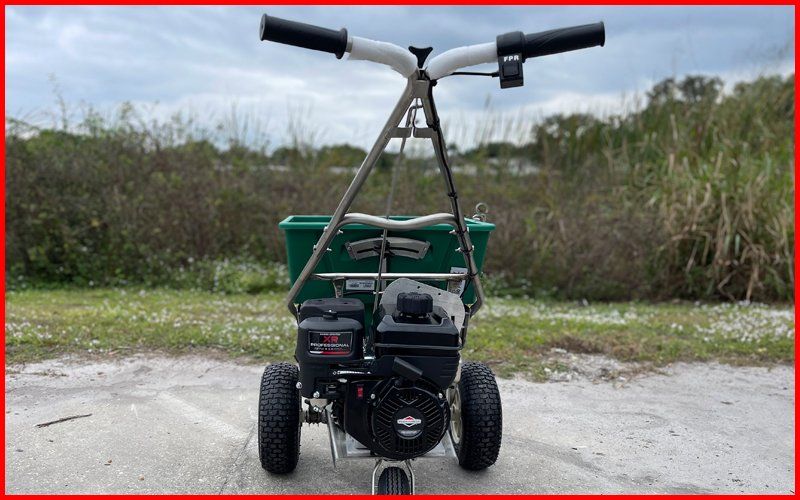
Our most popular Spreader. This comes with a GX 120 Honda engine. You're sure to love all the benefits of our tried and true original Power Spreader. Starting at $3600.00.
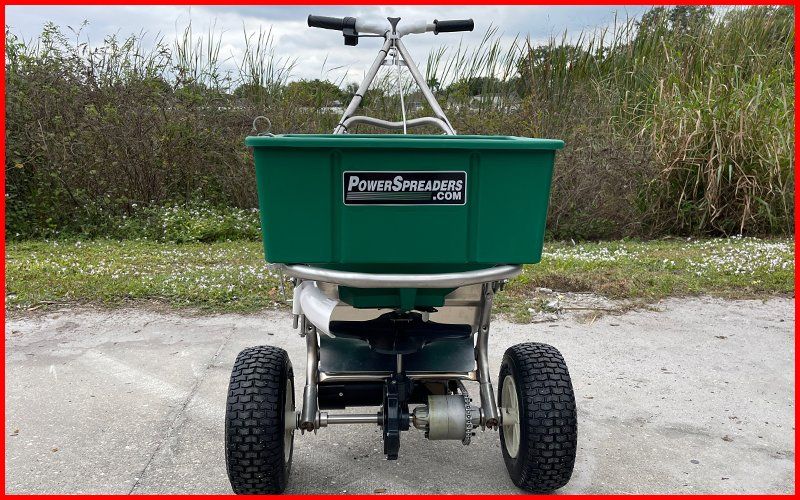
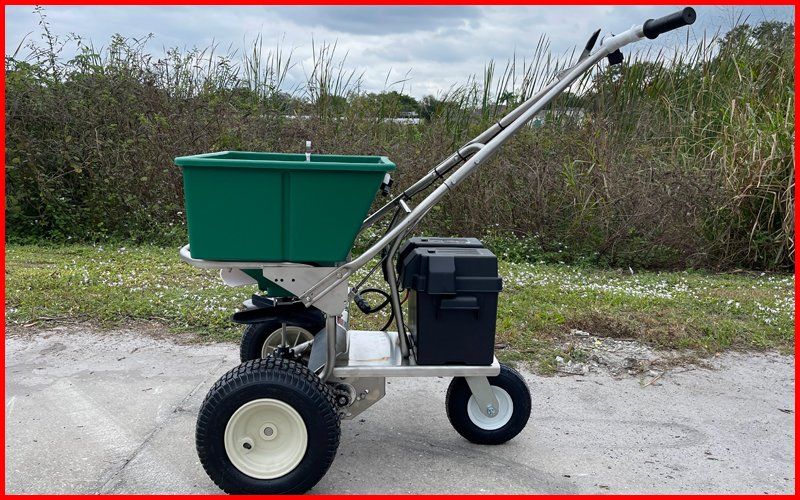
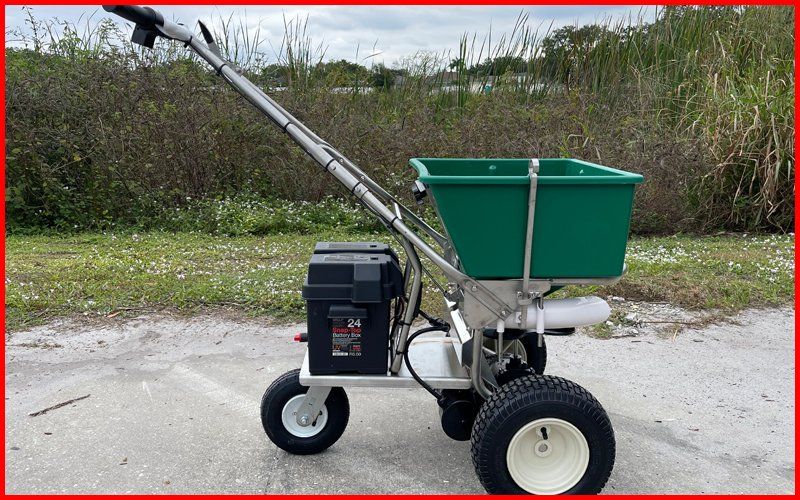
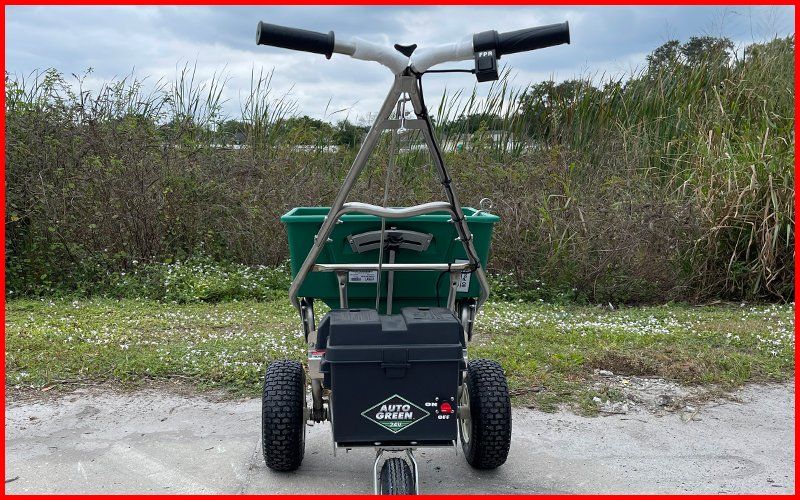
Battery Powered Fertilizer Spreaders
Just as powerful as our gas spreader without needing gas or oil! Starting at $2800.00 with a single light weight 24V25Ah LiFePO4 battery and comes with a 3 year limited warranty on the battery. For all day use without worry of the battery getting low we have the 24V50Ah LiFePO4 battery, as an upgrade.
*click the images to enlarge*
*click the images to enlarge*
Gas-Electric Powered Fertilizer Spreaders
This spreader cost less than our gas-hydraulic and battery powered spreader by eliminating the hydraulics or battery. We use an alternator in replacement of the battery to run the electric motor.
Starting at $2740.00 with GX120 Honda.

Visit Our
Facebook Page
Why Choose Our Fertilizer Spreaders?
#1 choice of commercial fertilizer applicators
Provides the highest quality application of fertilizer
Lowest cost of any commercial-grade power spreader
Lowest maintenance costs of any powered spreader
More control of fertilizer than larger ride-on spreaders
Most versatile power spreader built
Only 25.5" wide with the metal wheel option
Longest lasting power spreader in the industry
All parts available
Proudly made in Sarasota, FL
Here's what our satisfied customers are saying...
What is a spreader, and how does it work?
A spreader is a machine designed to evenly distribute materials such as fertilizer, seed, lime, or ice melt across lawns and landscapes. ItA powered spreader uses either a gas engine or a battery powered system to drive the spreading mechanism for consistent application with less physical effort. Materials are held in a hopper and fed through a controlled opening onto a spinning disc that distributes them evenly across the ground. With adjustable flow rates and speed controls, a spreader offers precision that manual tools often cannot match, making it ideal for both residential and commercial use.
What are the main benefits of using a powered fertilizer spreader?
A powered spreader offers several advantages over traditional spreaders, including increased efficiency by covering larger areas in less time. This makes it ideal for landscaping professionals or property owners with extensive lawns while also reducing operator fatigue, especially when using a spreader. It improves accuracy by providing a consistent distribution and helps prevent over-application or under-application of materials. This supports healthier lawns, reduces waste, and ultimately saves time and money over the long term.
What types of materials can be used in a spreader?
A spreader is highly versatile and can handle a wide range of materials, including fertilizer, grass seed, lime, herbicides, and insecticides. Many models can also distribute sand or salt for ice control during colder months. This makes it a valuable year-round tool for maintaining lawns in warmer seasons. It also helps manage icy walkways in winter with reliable performance across multiple applications.
What is the difference between gas, electric, and gas-hydraulic spreaders?
Gas-powered options rely on an engine for consistent power, while a battery powered spreader uses rechargeable energy for quieter operation and lower maintenance. A spreader with a gas-hydraulic system combines engine strength with smoother control for more demanding applications. Each type offers unique advantages depending on the user's needs and project size. Battery-powered models reduce noise and maintenance, while gas systems provide increased power for heavy-duty tasks.
Are spreaders suitable for residential use?
Yes, a spreader is suitable for both residential and commercial applications. Homeowners with larger lawns or properties benefit from improved efficiency and ease of use. A battery powered spreader is especially appealing for those seeking a quieter and more convenient option. Even smaller properties can see better consistency and lawn health, making the investment worthwhile over time.
How wide is the coverage area of a powered spreader?
The coverage area of a spreader varies depending on the model and its adjustable settings. Factors such as spread width and flow rate influence how much ground can be covered in a single pass. In general, these machines cover wider areas more evenly than manual spreaders. Whether using a gas unit or a battery powered spreader, this helps reduce overlap and missed spots for more efficient application.
What maintenance is required for powered spreaders?
Regular maintenance helps keep a spreader operating efficiently and performing at its best. This includes cleaning the hopper after each use, checking for clogs, and inspecting moving parts for wear. A battery powered spreader typically requires less maintenance than gas models, though proper battery care is still important. Keeping the equipment clean and well-maintained can extend its lifespan and maintain consistent performance.
How long do spreaders typically last?
The lifespan of a spreader depends on factors such as build quality, frequency of use, and maintenance. A high-quality powered spreader that is properly maintained can last for many years. Both gas models and a battery powered spreader can provide reliable long-term performance when maintained correctly. Investing in durable equipment supports long-term savings and dependable operation.
How easy is it to operate a spreader?
A spreader is designed with user-friendly controls that make operation simple for most users. Features such as adjustable speed settings and ergonomic handles help improve comfort and ease of use. A battery powered spreader is particularly easy to operate due to its quieter performance and fewer mechanical components. This makes it an excellent option for beginners or those looking for a more straightforward experience.
Can a spreader be used on uneven or sloped terrain?
Yes, a spreader can be used on uneven or sloped terrain with the right equipment and settings. It is important to choose a model with good traction, stable wheels, and adjustable speed controls. A battery powered spreader is often easier to handle in these conditions due to its lighter weight and smoother operation. This allows users to move more comfortably across inclines while still applying materials evenly.
How do you choose the right spreader for your needs?
Choosing the right spreader depends on the size of your property, the type of materials you plan to use, and how frequently you will operate the equipment. A powered spreader is often a good choice for residential users who want a quieter and low-maintenance option. For larger properties or commercial applications, gas-powered models may provide the added power and capacity needed for efficiency. Comparing features such as hopper size, spread width, and adjustable settings can help you select the best option for your specific needs.
What is the "Breakthru Agitator" option, and do I need it?
Standard agitaters can struggle when dealing with cheaper fertilizers, damp materials, or large-particle products, causing bridging and clogging in the hopper. The Breakthru Agitator is a premium upgrade designed to aggressively break up clumped material and ensure a continuous, smooth gravity feed to the impeller. If you operate in high-humidity areas or frequently use diverse, custom-blended granular products, we highly recommend considering this upgrade to maximize efficiency with your powered spreader.
Never Push Again

Learn More About
Power Spreaders


Share On: